
10 Essential Preventive Property Maintenance Solutions for the Winter Season
Winter is here, and if you’re yet to start preparing to face it, this blog is for you.
A single burst pipe or ice-related problem can halt your entire operations and cost thousands of dollars. So, property managers who invest in proactive property maintenance now protect their assets and make sure tenant safety, and avoid emergency repair bills that can devastate operating budgets. That’s why we’ve prepared this Winter Commercial Property Maintenance Checklist featuring 10 essential preventive solutions. Each strategy addresses important vulnerabilities that cold weather exposes in commercial buildings. Let’s examine each essential solution and how it protects your property.
10 Essential Preventive Solutions for Winter
This checklist combines insights from the experienced professionals at MCP Property Services, proven industry practices, and the key focus area for winter readiness:
1. Comprehensive Building Envelope Inspection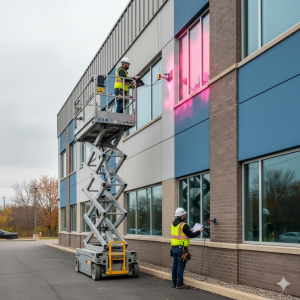
A compromised building envelope allows frigid air to infiltrate, driving heating costs through the roof while moisture seeps into walls, fostering mold growth and structural decay.
- Conduct thorough checks on the building façade, exterior doors, and windows to identify drafts and moisture infiltration points.
- Replace worn weather stripping and use thermal imaging to detect hidden heat leaks or insulation deficiencies that silently drain the budget.
No proper sealing will invite pests seeking warmth and speed up the damage to the property’s main protective layer.
2. Commercial HVAC Winter Preparation and Service
In winter, the HVAC system becomes the property’s lifeline. A breakdown during a cold snap will freeze pipes, force business closures, and leave you scrambling for emergency repairs at premium rates.
- Schedule professional maintenance of HVAC systems, including boilers and furnaces, before winter sets in.
- Replace air filters, test safety controls, and calibrate thermostats to ensure peak efficiency.
3. Pipe Freeze Prevention Strategy
A burst pipe is one of winter’s most devastating and expensive disasters. The damage is immediate and catastrophic, which could ruin the entire space where it happens – flooded spaces, damaging the equipment, and more.
- Insulate all exposed pipes, especially in unheated areas.
- Drain and shut off exterior hoses and faucets to eliminate freeze-related risks.
4. Roof Drainage and Ice Dam Mitigation
Snow accumulation adds thousands of pounds of weight, while ice dams create silent, destructive water pools that infiltrate your building from above. When drainage systems fail, water backs up under shingles and through seams, causing interior leaks that damage ceilings, insulation, and everything below.
- Clear gutters, downspouts, and roof scuppers of debris to prevent ice dam formation before the first snowfall.
- Inspect flashing and roof seams for leaks or damage that will only worsen under winter stress.
- Plan snow removal strategies to reduce excessive loads, especially on flat roofs where collapse becomes a terrifying possibility.
5. Snow and Ice Management Contracts
Slip-and-fall accidents on icy walkways create serious liability risks for your business. A single injury can trigger lawsuits, increase insurance premiums, and damage your reputation enough to drive tenants away. Beyond liability, ice and snow can disrupt normal operations and create dangerous evacuation hazards.
- Secure agreements with snow removal vendors now, before the first storm hits and contractors are overwhelmed.
- Define clear protocols for clearing sidewalks, entryways, parking lots, and loading docks.
- Stock adequate de-icing materials and implement comprehensive plans to eliminate slip hazards.
6. Emergency Power and Generator Testing
Loss of power means failed heating systems, frozen pipes, non-functional security systems, and potential life safety code violations. For many businesses, even a few hours without power means spoiled inventory, lost data, and tenant emergencies.
- Test backup generators under full load conditions, inspect transfer switches for reliability, and ensure adequate fuel supply for extended outages.
- Check that fire alarms, emergency lighting, and communication infrastructure remain operational when the grid fails.
7. Fire Protection System Winterization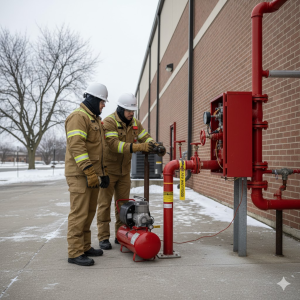
In commercial buildings, fire protection failures mean code violations, insurance issues, and unacceptable risk to occupant safety.
- Inspect and ensure proper antifreeze levels in sprinkler systems, especially dry-pipe configurations.
- Check meticulously for any trapped water that could freeze, expand, and destroy your fire suppression infrastructure.
8. Exterior Pavement and Grounds Repair
Water seeps into tiny fissures, freezes, expands with tremendous force, and transforms minor imperfections into dangerous potholes and broken concrete slabs.
- Identify and repair cracks, potholes, and uneven pavement now, before winter locks them into accelerated deterioration.
- Make sure drainage around the property is maintained well to prevent water intrusion that causes expansion damage.
9. Inspect and Secure Loading Docks
Beyond the financial drain, compromised dock areas expose workers to dangerous cold conditions and allow weather to damage goods in transit.
- Inspect dock seals and shelters thoroughly for wear and gaps that compromise thermal barriers.
- Make sure lighting remains optimal and accessibility is maintained. Because dark, icy loading areas are accident scenes waiting to happen.
10. Develop a Tenant and Employee Communication Plan
When tenants don’t know heating protocols, when employees can’t reach emergency contacts, when nobody understands snow removal schedules, minor issues escalate into major crises.
- Develop a comprehensive communication plan to inform tenants and staff about winter safety protocols, snow removal schedules, heating guidelines, and emergency contacts before problems arise.
Conclusion
By proactively implementing the measures in this checklist, you secure your property against the winter. The 10 strategies in this checklist protect your property from burst pipes, ice damage, and costly emergencies that can cripple your operations. Prioritizing Winter Property Maintenance is the best defense against major failures, such as burst pipes and structural damage.
In the end, the goal is to ensure the continuity and safety of your commercial space. For effective Building Maintenance in Kansas, contact MCP Facility Services to schedule your commercial winterization and maintenance plan.
 Skip to content